


If you've ever burned through an afternoon cutting steel with an angle grinder, you've probably asked yourself the same question:
Is a plasma cutter really worth it?
For a lot of DIYers, fabricators, and weekend mechanics, a plasma cutter sits in that weird category—tools that seem great, but also feel like overkill. After all, an angle grinder, a stack of cutoff wheels, and a reciprocating saw can all get through metal. They work.
So what's the actual difference?
Speed. Precision. Cleaner cuts with less cleanup. A plasma cutter won't replace every cutting tool in your shop, and it's not the right call for every project. But if metal shows up in your work regularly, it can change how fast you move from cutting to building.
This guide walks through the real pros and cons, the kind of projects where plasma pays off, and when you're probably fine without one.
What Is a Plasma Cutter?
A plasma cutter runs an electric arc through compressed air, turning it into a plasma jet hot enough to melt through conductive metal. The air pressure blows the molten material out of the cut, leaving a clean edge behind.
Unlike a cutoff wheel that grinds its way through steel, plasma melts and clears the metal in one pass.
It works on:
- Mild steel
- Stainless steel
- Aluminum
- Copper
- Expanded metal
- Perforated sheet
The process is fast and controlled, which is why it's been a shop-floor staple for years and is now showing up in more home garages.
Why More DIYers Are Buying Plasma Cutters
A decade ago, plasma cutters were expensive and mostly lived in industrial shops. You didn't see them in a two-car garage.
That's shifted. Inverter technology brought the size and price down. Now you can find dual-voltage machines with digital controls and pilot arc that a hobbyist can actually afford. The barrier to entry dropped hard, and home users noticed.
When a Plasma Cutter Is Absolutely Worth It
A plasma cutter starts making sense when cutting metal is a routine part of your projects, not a once-a-year headache.
Automotive Restoration and Repair
Anyone who's restored an old vehicle knows how much cutting the job eats up.
You're dealing with:
- Rusted floor pans
- Body panels
- Brackets
- Frame work
- Patch panels
An angle grinder gets through these, sure. But it chews through discs, throws sparks into every crevice, and takes way longer than it feels like it should. A plasma cutter goes through the same cut in seconds and leaves an edge that's ready to weld.
Trailer and Farm Equipment Repairs
Plasma cutters save their keep out on acreage and in farm shops.
Common jobs:
- Trailer crossmembers
- Plow brackets
- Gate hinges
- Mower deck patches
- Equipment mounts
When you're cutting heavier steel—the kind farm equipment is made of—the time difference between grinding and plasma cutting stops being theoretical. You feel it by the second cut.
Home Fabrication Projects
A big reason people buy a plasma cutter: they want to build stuff.
Think:
- Welding tables
- Fire pits
- Smokers
- Tool carts
- Storage racks
- Workbenches
- Outdoor furniture
Cleaner cuts off the plasma mean less grinding later. When you're putting something together from scratch, that matters more than you'd expect.
Metal Art and Custom Projects
Cutting curves with a grinder is a pain. Plasma handles them naturally.
Artists and hobby builders use plasma for:
- Signs
- Decorative panels
- Wall art
- Custom brackets
- One-off creative pieces
It's hard to match that flexibility with most traditional cutting tools.
When a Plasma Cutter Might Not Be Worth It
It's not the right tool for everyone. A couple of situations where it probably doesn't make sense:
- You Rarely Cut Metal. If steel shows up in your shop once or twice a year, a good angle grinder is probably enough. A plasma cutter sitting unused 363 days annually doesn't justify the expense.
- You Don't Have an Air Compressor. Most plasma cutters need compressed air—dry, clean, 60-90 PSI, 4-5 CFM. If you don't have a compressor, budget another $200-$400. Plenty of home shops already have one, but if you're starting from zero, it changes the math.
- Your Projects Only Involve Thin Sheet Metal. For light-gauge material, basic shears or snips do fine. Plasma handles thin stock easily, but you're not using the tool's full capability.
Plasma Cutter vs Angle Grinder
One of the most common comparisons:
| Feature | Plasma Cutter | Angle Grinder |
|---|---|---|
| Cutting speed | Fast | Slower |
| Cut quality | Clean | Rougher |
| Curved cuts | Easy | Awkward |
| Thick metal | Excellent | Slow going |
| Consumables | Tips last | Discs wear fast |
| Precision | High | Moderate |
The grinder is still one of the most useful tools in any shop. Nobody's arguing otherwise. But when metal cutting is the main job, plasma is usually the faster path from raw steel to finished piece.
What Size Plasma Cutter Do Most DIYers Need?
Beginners often assume bigger is better. It's not.
Most home users aren't cutting 1-inch plate. For the kind of work that happens in a garage or small shop, 40A to 65A is the practical range.
That covers:
- Auto sheet metal
- Structural steel
- Trailer parts
- Brackets and mounts
- Farm equipment repairs
For a lot of people, a 65A machine hits the sweet spot—enough power for heavy work without paying for capacity you'll never use.
Why Pilot Arc Technology Matters
Pilot arc is one of those features that sounds technical but makes a real difference on the floor.
It lets the arc start without touching the tip to the metal.
What that means in practice:
- Starts are easier
- Consumables last longer
- Works on painted surfaces
- Works on rusted metal
- Cuts stay consistent
In a home shop, where the steel you're cutting isn't always clean and shiny, pilot arc saves you from grinding every start point down to bare metal. That alone saves real time over the course of a project.
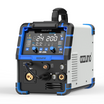
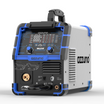
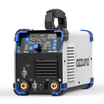
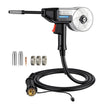
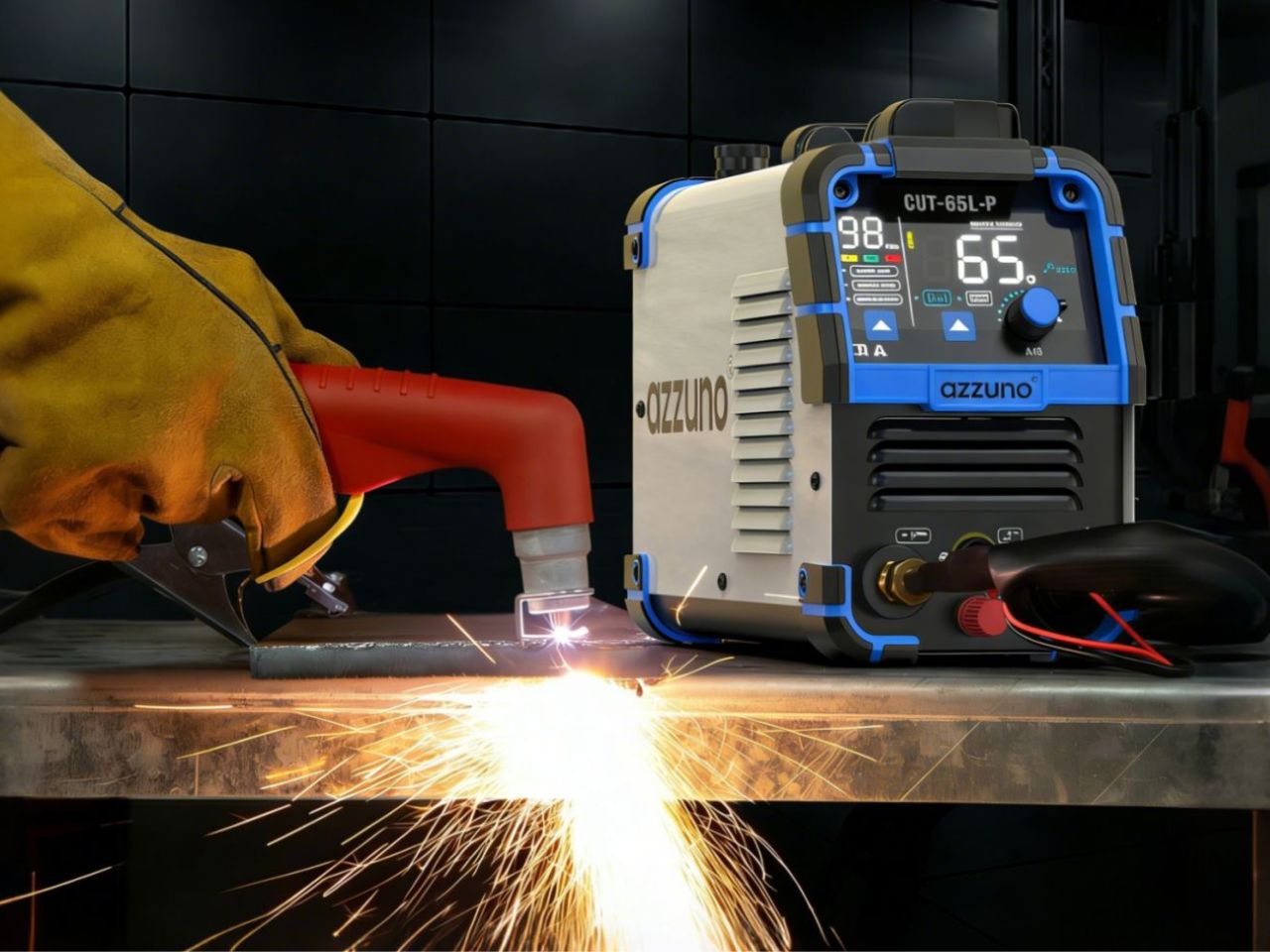
A Practical Example: The AZZUNO CUT-65L-P
For DIY users trying to find the line between capability and price, the AZZUNO CUT-65L-P was built for exactly this space—home workshops, repair work, and weekend fabrication.
What it brings:
- 65A non-touch pilot arc
- 110V/220V dual voltage
- Clean cuts up to 3/4" on 220V
- Severance up to 1"
- LED display
- Air pressure monitoring
- Works on mild steel, stainless, aluminum, copper
One thing worth pointing out for beginners: the built-in air pressure monitor. If pressure drops below where it needs to be, the machine tells you instead of letting you fight a bad arc and wonder what's wrong. It's a small detail that matters when you're learning the tool.
Dual voltage also means you can plug into a standard outlet for lighter cuts or into 220V when you need the full 65 amps.
The Hidden Benefit: Saving Time
A lot of plasma cutter conversations stay focused on specs—amperage, cut capacity, duty cycle.
But the real value for most people is simpler: it's faster.
A job that might mean measuring, grinding, swapping discs, and cleaning up rough edges can often be done in one pass with a plasma cutter and a little cleanup.
Over months of weekend projects, those saved hours stack up. More time welding and building. Less time fighting a cutoff wheel.
Final Verdict: Is a Plasma Cutter Worth It?
If you rarely touch metal, a plasma cutter is hard to justify. A good angle grinder will serve you fine.
But if your projects regularly include:
- Automotive work
- Farm repairs
- Trailer fabrication
- Home welding projects
- Custom metal builds
Then a plasma cutter becomes one of those tools you stop thinking about the cost of and start wondering how you did without.
Fast, clean cuts on a range of metals. Less grinding. Less cleanup. More done.
For a lot of DIYers, the real question isn't whether a plasma cutter is worth it. It's why they waited so long to pick one up.

Leave a comment
This site is protected by hCaptcha and the hCaptcha Privacy Policy and Terms of Service apply.