


If you’ve ever spent an afternoon covered in black dust, nursing a vibrating wrist after wrestling with an angle grinder or a loud chop saw, you know the unspoken truth of metalworking: mechanical cutting sucks. It’s slow, it’s loud, and it leaves you with an hour of cleanup and grinding.
That is exactly why backyard fabricators, DIY mechanics, and hobby welders are ditching the abrasive discs and upgrading to plasma cutters.
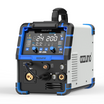
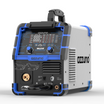
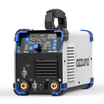
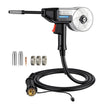
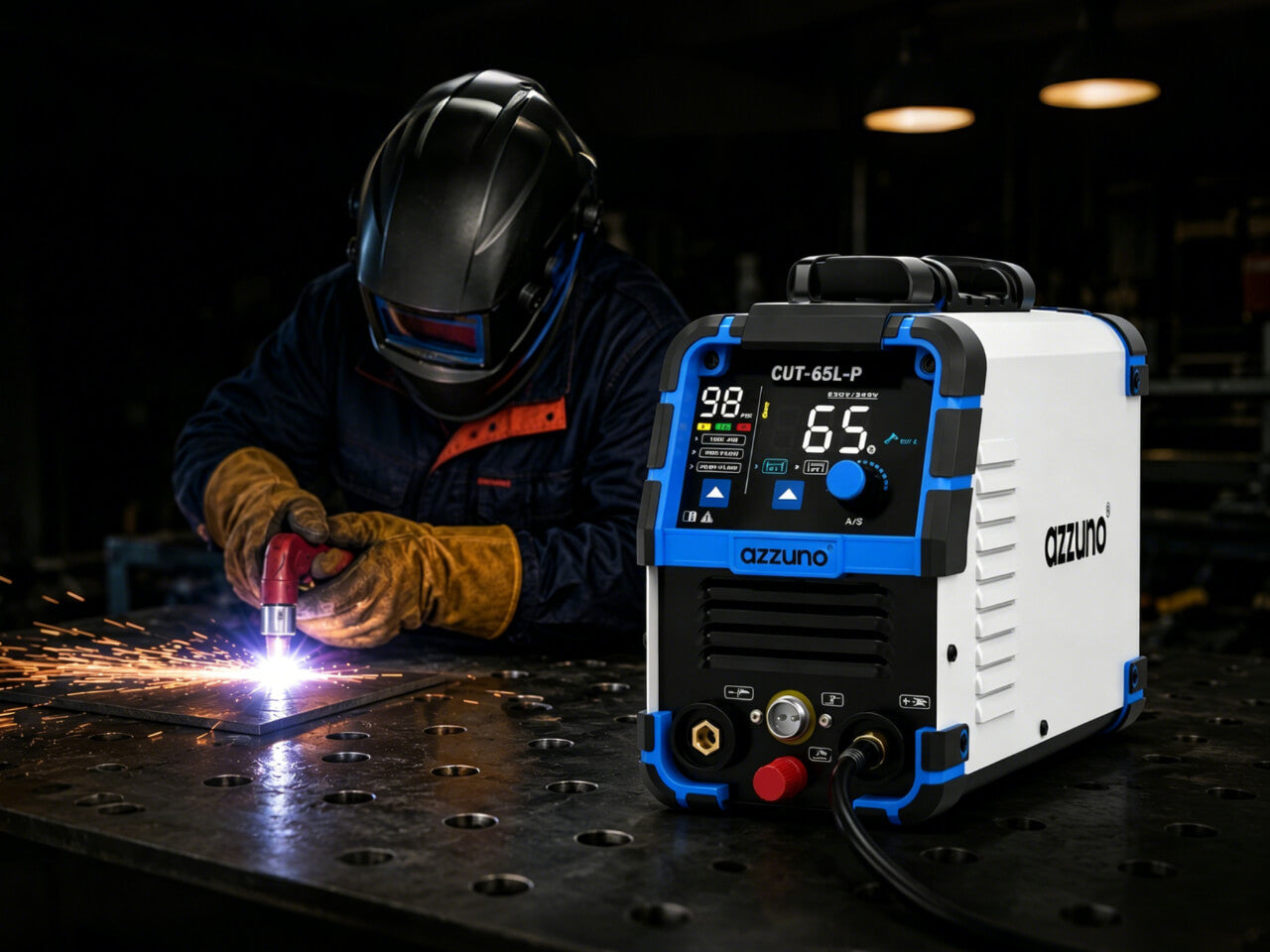
Once reserved for high-end industrial fab shops, modern inverter technology has made plasma cutters affordable, compact, and incredibly easy to learn. In this guide, we’ll break down exactly how plasma cutting works, why it beats traditional tools, and how features found in modern machines like the AZZUNO CUT-65L can save you hours of frustration in the garage.
What Exactly Is a Plasma Cutter?
Think of a plasma cutter as a lightning bolt focused through a jet stream.
Instead of using physical friction to saw through metal, a plasma cutter uses an electrical arc and pressurized gas (usually just standard compressed air from your shop compressor).
The machine forces this compressed air through a tiny nozzle and subjects it to an intense electrical arc. This process superheats the gas until it enters the fourth state of matter: plasma.
How hot is it? Plasma cutting arcs can reach up to 30,000°F (16,600°C).
The plasma instantly melts the metal, while the high-velocity air blows the molten material away, leaving behind a clean, narrow slit called a kerf.
Plasma Cutter vs. Angle Grinder: Is It Really Worth the Upgrade?

Many DIYers ask: "I already own a $50 angle grinder. Why should I invest in a plasma cutter?"
Let’s look at the real-world differences when cutting a 1/4-inch steel plate:
| Feature | Angle Grinder / Cut-Off Wheel | Plasma Cutter (e.g., AZZUNO CUT-65L-P) |
| Speed | Slow. Requires physical pressure and multiple passes. | Fast. Slices through like a hot knife through butter. |
| Consumable Cost | High. You’ll burning through multiple abrasive discs. | Low. Copper electrodes and nozzles last for hours of cutting. |
| Safety | High risk of shattering discs, heavy sparks, and toxic dust. | Contained sparks, no flying debris, much safer for eyes/lungs. |
| Versatility | Straight lines or rough curves only. Defeated by thick metal. | Intricate shapes, circles, expanded metal, and thick plate. |
If you are only cutting one bolt a month, stick to the grinder. But if you’re building a custom bumper, repairing a utility trailer, or cutting out rusted floor pans, a plasma cutter will save you days of labor.
What Metals Can You Actually Cut?
A common misconception is that plasma cutters only work on clean steel. In reality, if it conducts electricity, you can cut it.
-
Mild Steel & Carbon Steel: The bread and butter of garage fabrication. Slices effortlessly.
-
Stainless Steel: Hard to cut with mechanical tools because it hardens under heat; plasma cuts it before it can harden.
-
Aluminum: Notoriously difficult for oxy-fuel torches (because aluminum melts without glowing red), but a breeze for plasma.
-
Copper and Brass: High conductivity means you need a bit more power, but completely doable.
The "Dirty Metal" Problem (And How to Fix It)
If you’ve ever tried to cut an old piece of farm equipment or a rusty truck frame, you know that rust, paint, and scale block electrical current. With older "touch-start" plasma cutters, you have to grind the metal down to bare, shiny steel just to get the arc to strike.
This is where Non-Touch Pilot Arc Technology becomes a game-changer.
Machines like the AZZUNO CUT-65L-P use a 65A high-frequency pilot arc. The torch ignites an arc inside the nozzle before it even touches the metal. You can hold the torch a few millimeters away from a rusted, painted, or uneven surface (like expanded metal mesh) and it will cut right through without skipping a beat. It saves your prep time and massively extends the life of your torch consumables.

5 Features That Actually Matter (Don't Buy a Machine Without Them)
If you are shopping for your first plasma cutter, ignore the marketing jargon and focus on these five real-world features:
1. Dual Voltage Capability (110V/220V)
You don't want a machine that locks you into one power source. A dual-voltage machine lets you plug into a standard 110V household outlet for thin sheet metal work on the driveway, or plug into a 220V shop outlet when you need to slice through heavy steel.
-
Under 220V, a heavy-duty DIY machine like the CUT-65L-P can handle a 3/4" (20mm) clean cut and up to a 1" (25mm) maximum severance cut.
2. Active Air Pressure Monitoring
Plasma cutting requires consistent air pressure. Too low, and you'll destroy your nozzle; too high, and the arc will blow out. Look for a machine with a built-in digital air sensor and warning indicators so you aren't guessing your compressor settings in the dark.
3. Post-Flow Air Control
When you release the trigger, the air should keep blowing for a few seconds. This "post-flow" cools down the torch and the electrode. Without it, your consumables will literally melt themselves, costing you money in replacements.
4. 2T / 4T Trigger Modes
-
2T (Manual): Press to cut, release to stop. Perfect for quick, short cuts.
-
4T (Automatic/Latch): Press and release to start the cut, then relax your hand. Press again to stop. If you are cutting a 4-foot straight line across a steel sheet, 4T stops your finger from cramping up and keeps your hand steady.
5. An Intuitive LED Interface
When you’re wearing a welding hood or safety glasses, you can't read tiny, analog dials. An oversized digital display that shows your exact amperage and air pressure error codes at a glance prevents mistakes before you ruin a piece of expensive metal.
Is a Plasma Cutter Right For Your Shop?
If your DIY projects involve automotive restoration, building off-road rigs, fixing heavy machinery, or even creating custom metal art, a plasma cutter isn't a luxury—it's an efficiency tool.
The barrier to entry is lower than ever. You no longer need a 200-pound industrial transformer that costs thousands of dollars. Compact, intelligent inverter machines like the AZZUNO CUT-65L-P bring professional-grade features—like high-frequency pilot arcs, intelligent airflow control, and massive cutting capacities—down to a price point and size that fits comfortably on any DIYer's workbench.
Stop fighting your angle grinder and throwing away money on broken cutoff wheels. Upgrade your workflow, get cleaner edges, and build your projects faster.
Have questions about setting up a plasma cutter with your home air compressor? Drop a comment below, and let’s talk shop!
Common Questions About Plasma Cutters
Q: Do I need special electrical installation?
A: No. Dual-voltage models work with standard 110V household power or 220V industrial power. Most modern homes can support either option without modifications.
Q: How steep is the learning curve for beginners?
A: Very gentle. Most users master basic operation within their first hour of use. The non-touch pilot arc feature actually helps prevent common beginner mistakes.
Q: What's the actual maintenance cost?
A: Your primary expense is consumables (nozzles, electrodes, shields), typically replaced every 3-6 months depending on usage. A replacement set usually costs $20-50.
Q: Can I use it on painted or rusty metal?
A: Yes, especially with non-touch pilot arc technology. The arc ignites without surface contact, so surface condition matters far less than with traditional plasma cutters.
Q: What's the difference between 110V and 220V operation?
A: 220V provides higher cutting capacity and faster cutting speeds. 110V is convenient for home garages but delivers slightly lower performance. Dual-voltage machines give you flexibility for both scenarios.
Q: How long do consumable parts last?
A: Typically 3-6 months of regular use, depending on cutting frequency and material type. Non-touch pilot arc technology extends consumable life compared to traditional systems.

Leave a comment
This site is protected by hCaptcha and the hCaptcha Privacy Policy and Terms of Service apply.